Playing
Pokémon XD: Gale
of Darkness In The Modern Era
| On
February 27th, 2026, it
was
announced that Pokémon XD: Gale of Darkness would receive a port
to the Nintendo Classics: GameCube service on the Nintendo Switch 2.
This allows new players to experience the game on a new system and
catch Pokémon with
rare attacks that can't be obtained in any other Pokémon game.
While this sounds
like a perfect opportunity to play Pokémon XD, there are a few
reasons why the Nintendo
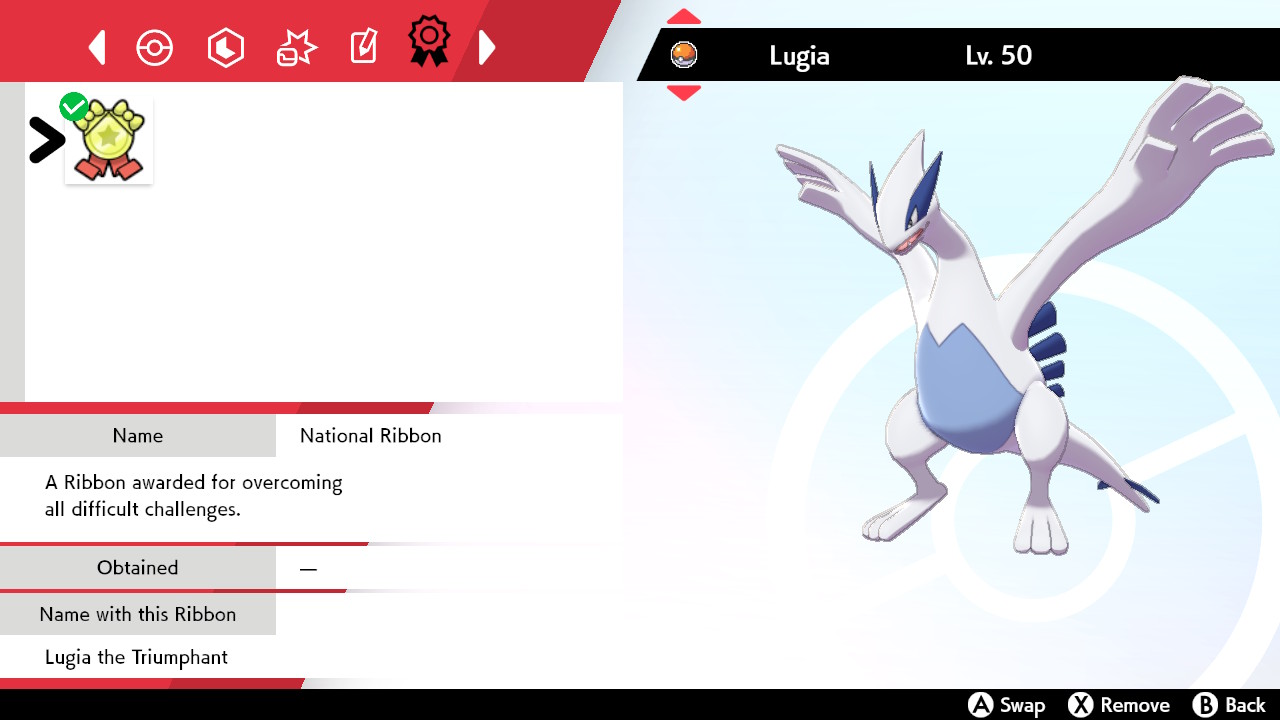
Classics port of the game isn't the best way to experience it. Like with Nintendo Classics: Nintendo 64, Nintendo Classics: GameCube is tied to the Nintendo Switch Online + Expansion Pass service. This means that you'll have to spend $50 a year to play Pokémon XD. (Alongside all the other GameCube games the service offers) Not only that, but Nintendo Classics: GameCube is exclusive to the Nintendo Switch 2 and can't be played on the original Nintendo Switch, Nintendo Switch Lite, or Nintendo Switch OLED. So if you want to play the game, you'll need to buy a Switch 2. Even with all these extra obstacles, you might still want to play Pokémon XD since the game might be worth the extra money. But this new port of the game has some very conflicting issues. What if I were to tell you that the Nintendo Classics: GameCube port of Pokémon XD was the worst version of the game? Why You Shouldn't Play Pokémon XD On Nintendo Switch 2At first, the Nintendo Classics: GameCube port of Pokémon XD: Gale of Darkness doesn't look too different from the original GameCube version. It would make for a nice way to play the game. But after playing the port, you'll realize that there are a few features that are either missing or have been completely removed. 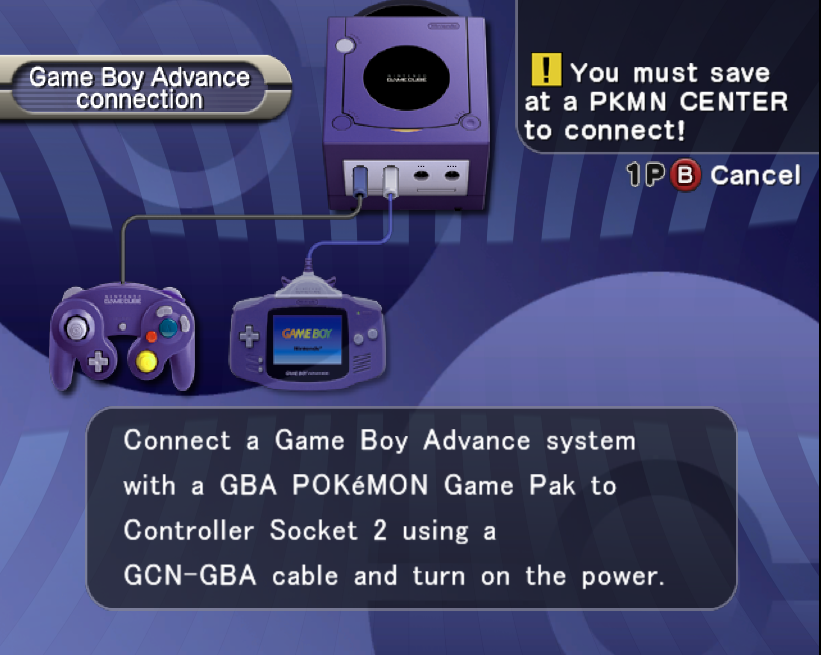 Much like Pokémon Stadium and Pokémon Stadium 2, Pokémon XD has been stripped of the ability to connect to the Game Boy Advance Pokémon games. Because of this, you can't use your Pokémon in the Battle Mode. If you want to battle with a friend in this game, you're both restricted to the Pokémon you can use in Battle Now. Another feature that's been removed is Pokémon trading. Unlike Pokémon Stadium 1 and Pokémon Stadium 2, the Pokémon you can get in Pokémon XD aren't rentals. They're treated like actual Pokémon you can keep for yourself and fine-tune their stats and movesets. Besides owning the Pokémon, they're also kind of valuable. Compared to Pokémon Colosseum, Pokémon XD contains Pokémon you can catch (or snag) that have unique attacks they can't learn outside of this game. These attacks are both extremely powerful (Psycho Boost for Lugia) and incredibly useful (Refresh for most Pokémon and Morning Sun for Moltres). If you beat Mt. Battle in one sitting, you can also get a Chikorita, Cyndaquil, and Totodile that know the ultimate moves that only their final evolutions can learn. (Alongside a special ribbon that's given to all the Pokémon in your party.) But since trading has been removed from this game, you won't be able to use them in any of the GBA Pokémon games. (Including the Nintendo Switch ports of Pokémon Fire Red Version and Leaf Green Version.) The game also isn't supported by Pokémon HOME, so any Pokémon you obtain are stuck to your Pokémon XD save file and can't be transferred to any new titles. With the high cost to play the game, the lack of Game Boy Advance connectivity, the lackluster multiplayer, and inability to transfer Pokémon to newer Pokémon games, this makes the Nintendo Classics: GameCube port of Pokémon XD a terrible way to play the game. If you wanted to play Pokémon XD like this, you could just emulate it. But even the best GameCube emulators could spoof the GameCube to Game Boy Advance link cable to allow basic connectivity between consoles. It just isn't worth it to play a downgraded version of this game. That's why if you want the best Pokémon XD experience, Nintendo Switch Online isn't the way to go. Playing Pokémon XD on original hardwareWhen it comes to playing Pokémon XD outside of the Nintendo Classics: GameCube port, you have a few options. You can play it on the original hardware or emulate it through an emulator like Dolphin. Since I'm more well-versed with playing on an actual console, this guide will focus on the former. If you want to play through an emulator (or even transfer your Pokémon to modern games), then check out this guide to learn how.If you want to play Pokémon XD physically, these are the things you'll need to make the most out of your experience:
Outside of the Story Mode, you're greeted to a ton of extras that will breathe new life into your GBA Pokémon games!
|
Back to Pokémon Power